What Color Soft Plastic Should I Use for Murky, Stained, or Clear Water?
Choosing the right soft plastic color doesn’t have to be confusing—but it does have to be intentional.
Most anglers either overthink color or ignore it completely. Both approaches cost fish.
Bass don’t see color the way humans do. They don’t care about fancy names or perfect matches. What they respond to is visibility and contrast. In dirty water, realism doesn’t matter nearly as much as being seen. In clear water, subtlety becomes everything.
Once you understand that, color selection gets simple.
Here’s the approach we use.
Murky or Dirty Water

If the water is muddy, brown, or heavily stained, visibility is limited. Bass can’t see fine details, so they rely on silhouettes to locate prey.
This is where dark, high-contrast colors shine.
Colors like Black/Blue Flake, Black/Red Flake, and Red Bug create a strong outline in the water, making your bait easier for bass to track and commit to. These colors don’t disappear the way lighter or natural tones do when visibility is low.
Rule of thumb:
If you can’t clearly see your bait a foot below the surface, go dark.
Stained Water
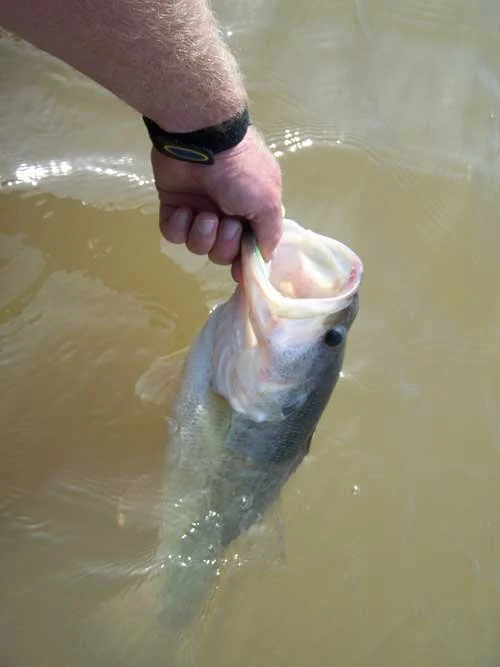
Stained water still has some visibility, but not enough for ultra-natural presentations to dominate.
Here, you want a balance—enough contrast for bass to find your bait, but not so dark that it looks unnatural.
Mid-tone colors like Blue/Black Flake work extremely well in these conditions. They stand out without overwhelming the fish and provide a clear target without looking out of place.
This is often the most forgiving water condition, and it’s where many anglers catch their biggest fish.
Clear to Lightly Stained Water
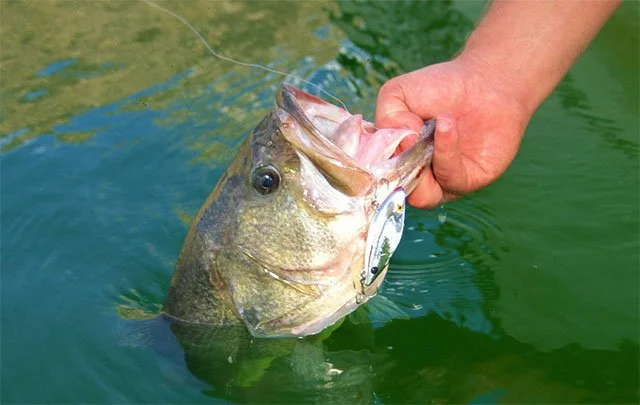
In clear water, bass get a good look at your bait. This is where too much contrast can actually hurt you.
Natural colors like Green Pumpkin excel because they blend into the environment while still looking alive.
These tones don’t spook pressured fish and closely resemble real forage.
In clear water, bass have time to inspect your bait—so subtle, natural colors give you the edge.
Rule of thumb:
If you can see the bottom clearly, go natural.
Weather Matters Too
Water clarity tells you what bass can see. Weather determines how much light is available.
Sunny skies increase light penetration, making natural colors more effective.
Cloudy or overcast skies reduce light, which means darker colors become easier for bass to track.
This is why a color that works great one day might struggle the next—conditions changed, not the bait.
The Real Goal
The goal isn’t to overthink color or carry fifty options.
The goal is simple:
Help the fish find your bait.
If bass can easily see it and it looks believable, you’re doing it right.
That’s why we design our colors at DAXONBAITS with specific water and weather conditions in mind—so you spend less time guessing and more time fishing.
